Leslie-Lohman Museum of Art
Permanent Collection: Growing Since 1969
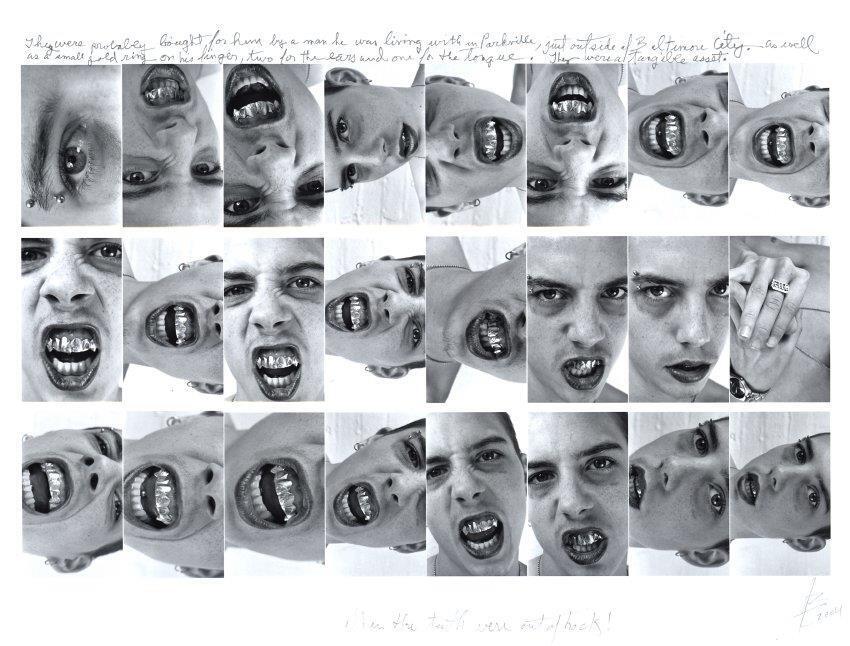
Amos Badertscher, When the teeth were out of hock!, 2004
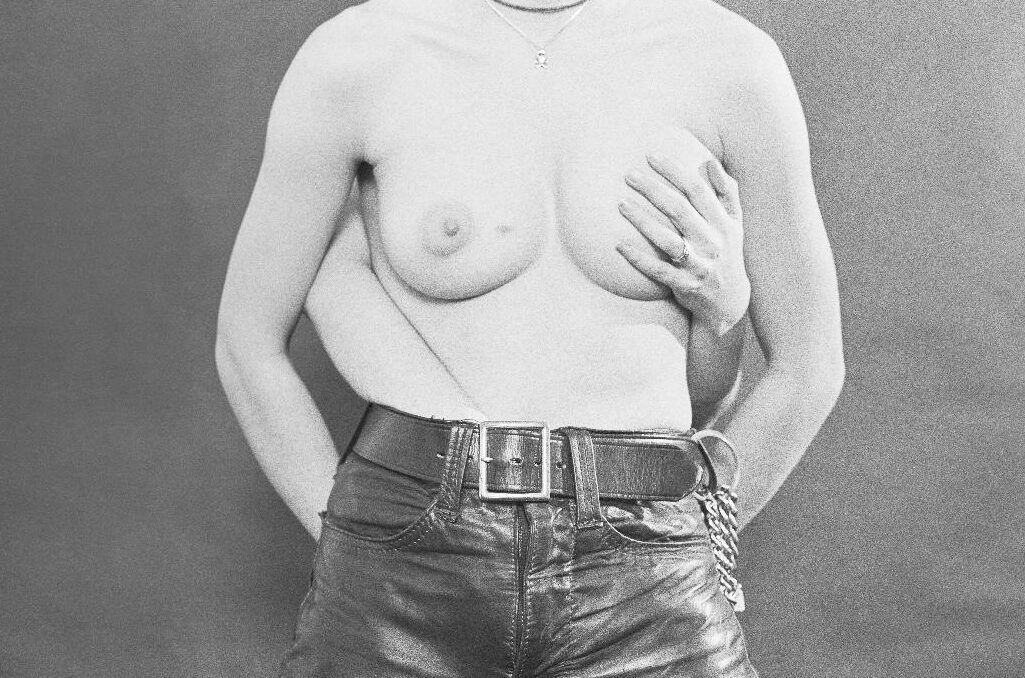
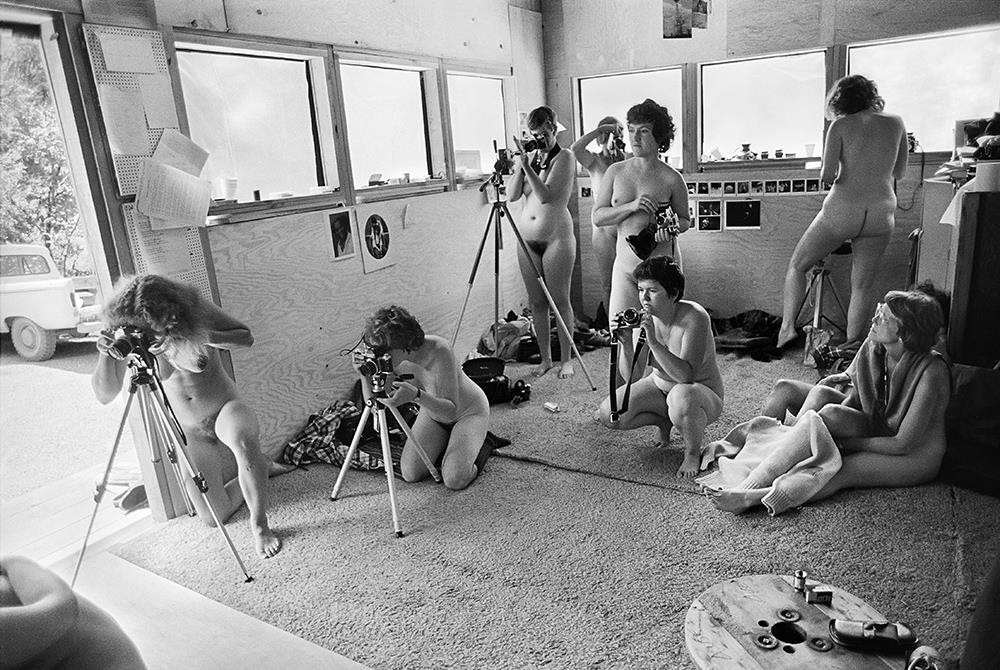
Morgan Gwenwald, S/M Couple, 1980
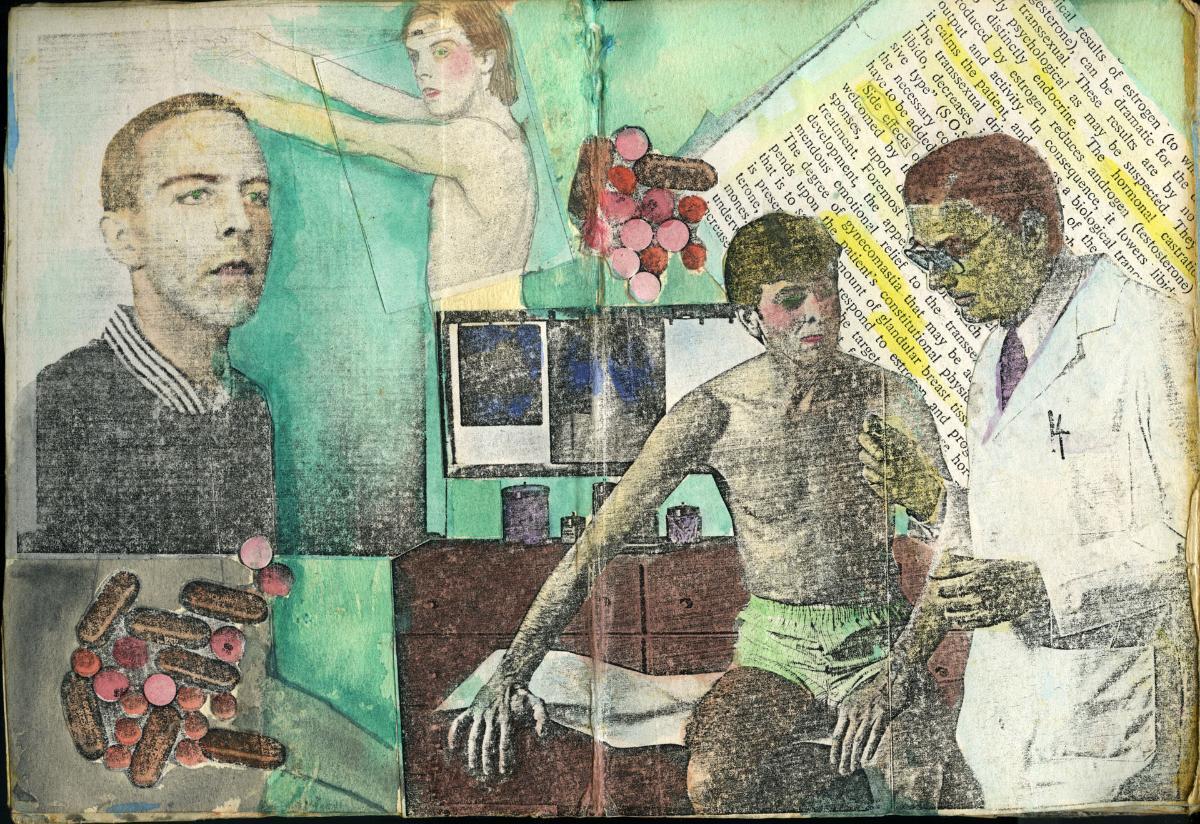
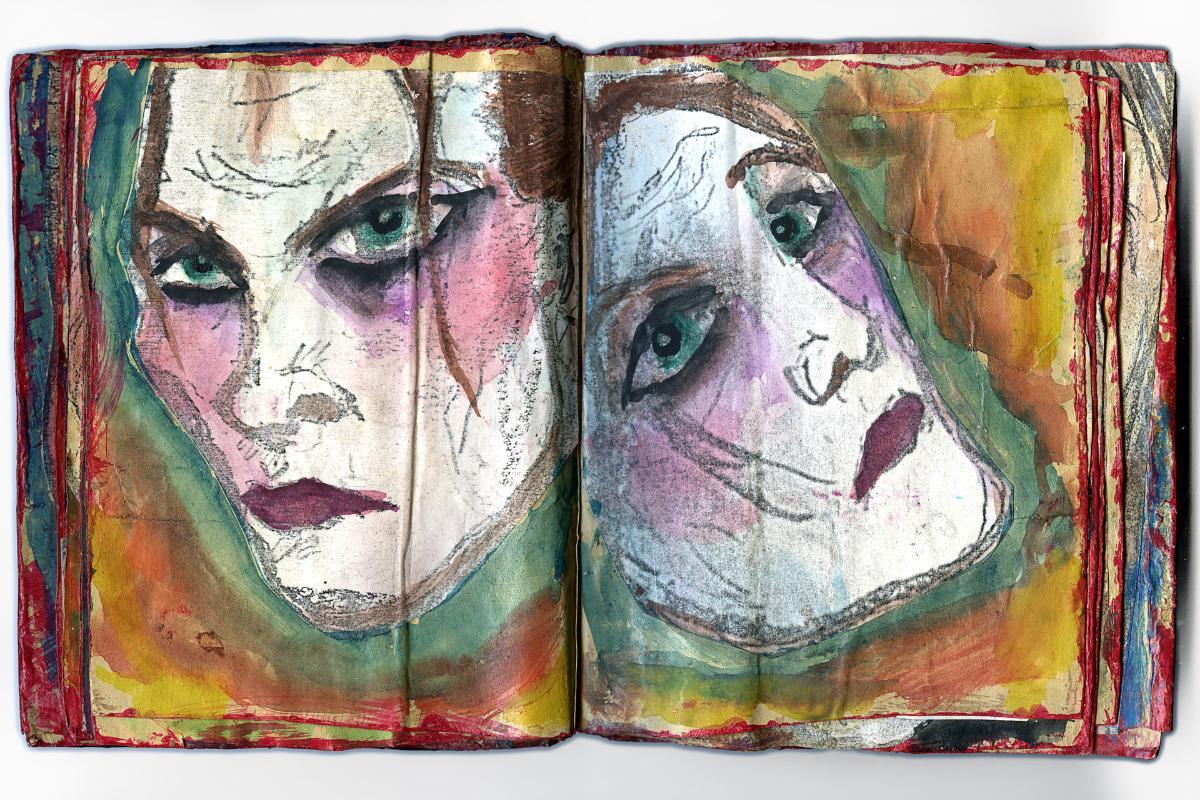
Greer Lankton, Medical Magic, 1981
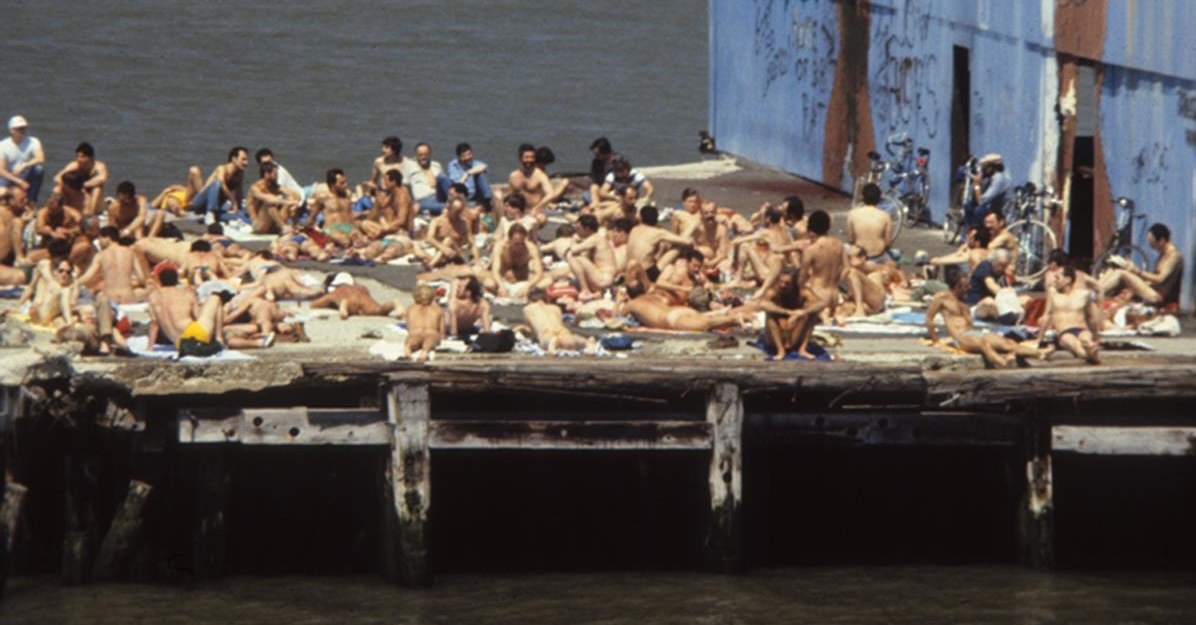
Frank Hallam, En Masse Sunners Seen from Pier 45, 1982
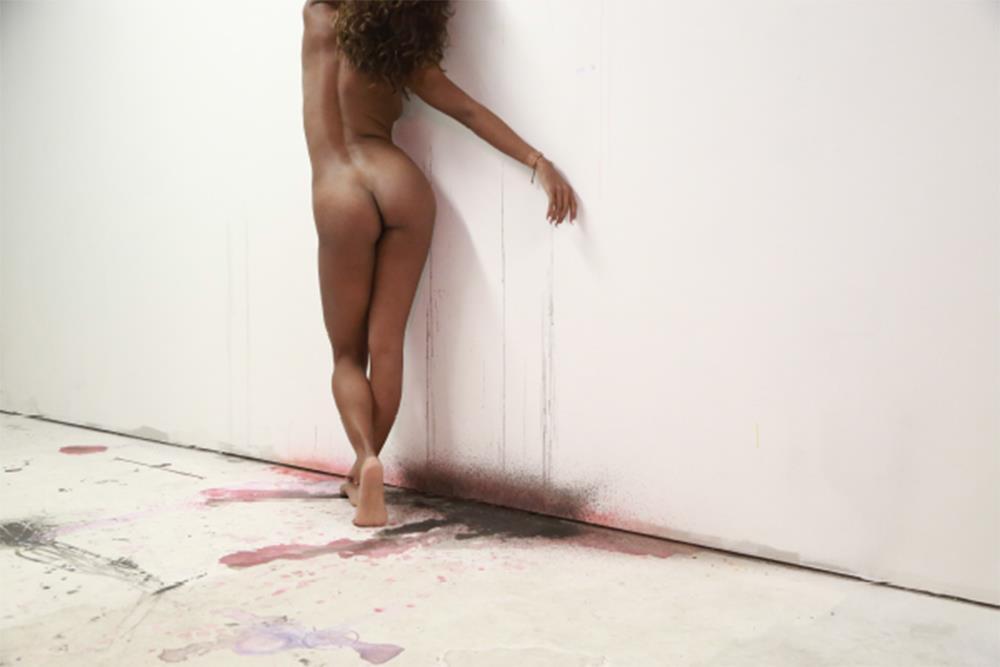
Kia LaBeija, Your White Walls Can Kiss My Black Ass, 2015
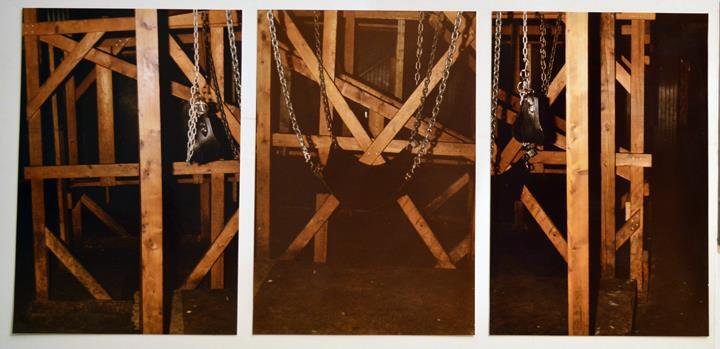
George Dudley, Mineshaft Racks, c. 1978
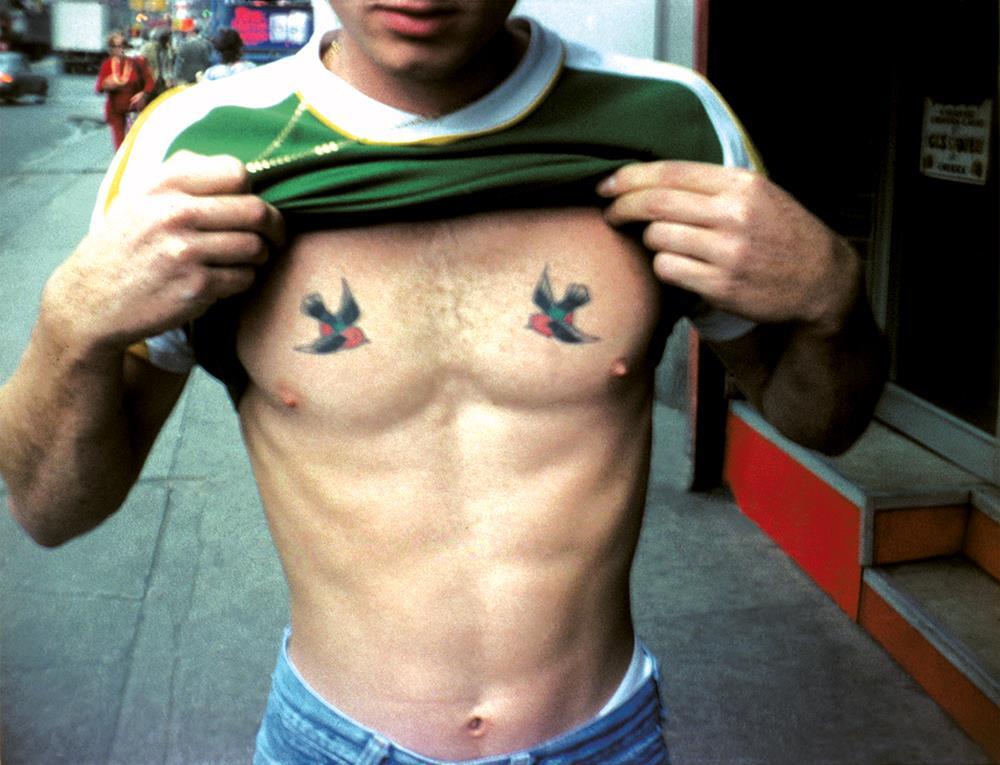
Stanley Stellar, I got birds too, 1976
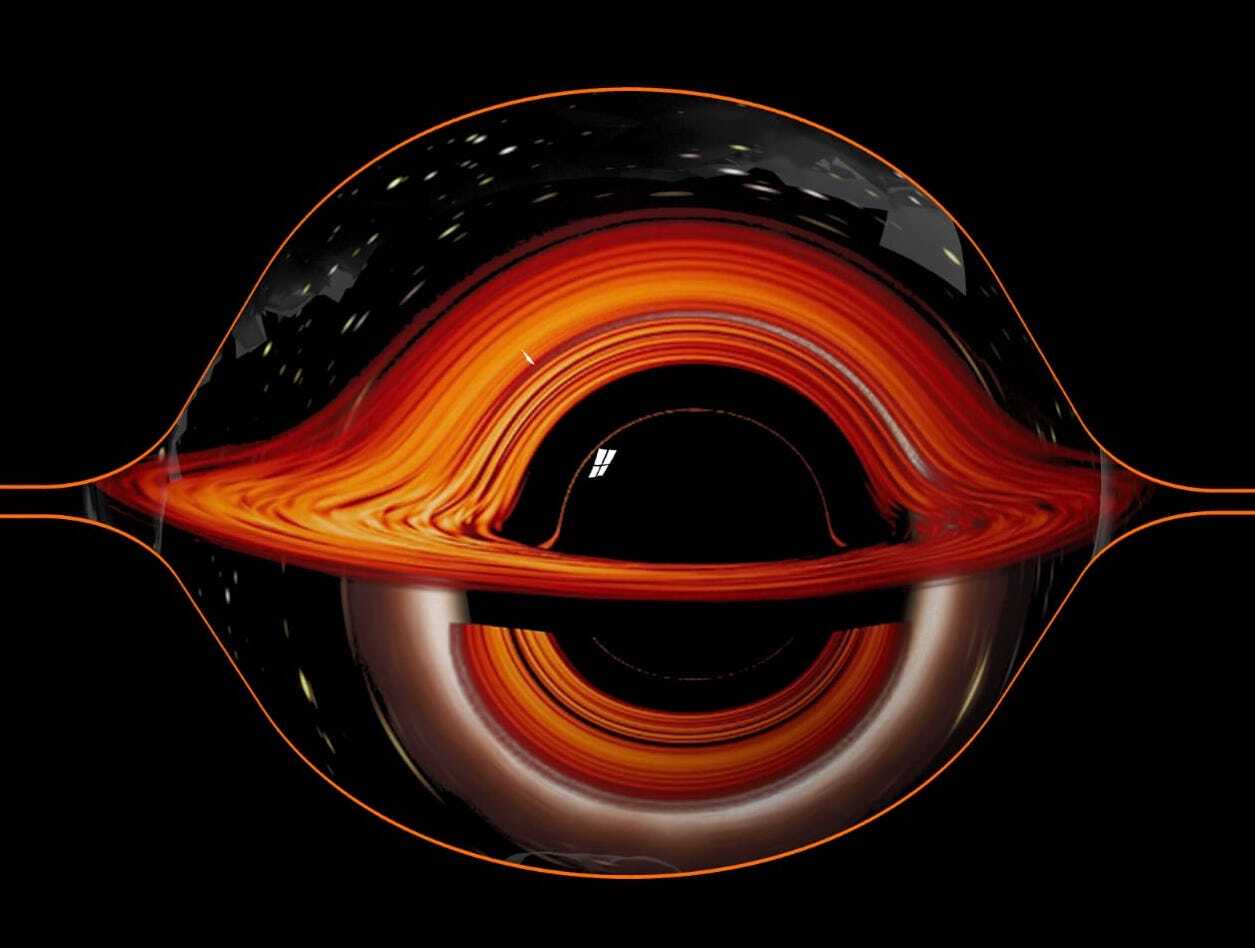
Hortensia Mi Kafchin, Through Different Eyes, 2026
Explore the collection through our online database.
The collection at Leslie-Lohman Museum of Art holds more than 30,000 artworks, spans three centuries, and has global reach, but it began in a loft in SoHo. Our founders, Charles Leslie and Fritz Lohman, collected art in their home that reflected their interests and deep commitment to their community. Homoerotic work, which was illegal to own or exhibit in 1969, the year of Leslie and Lohman’s inaugural exhibition at their loft, formed the focus of much of their collecting and the institution’s early programming.
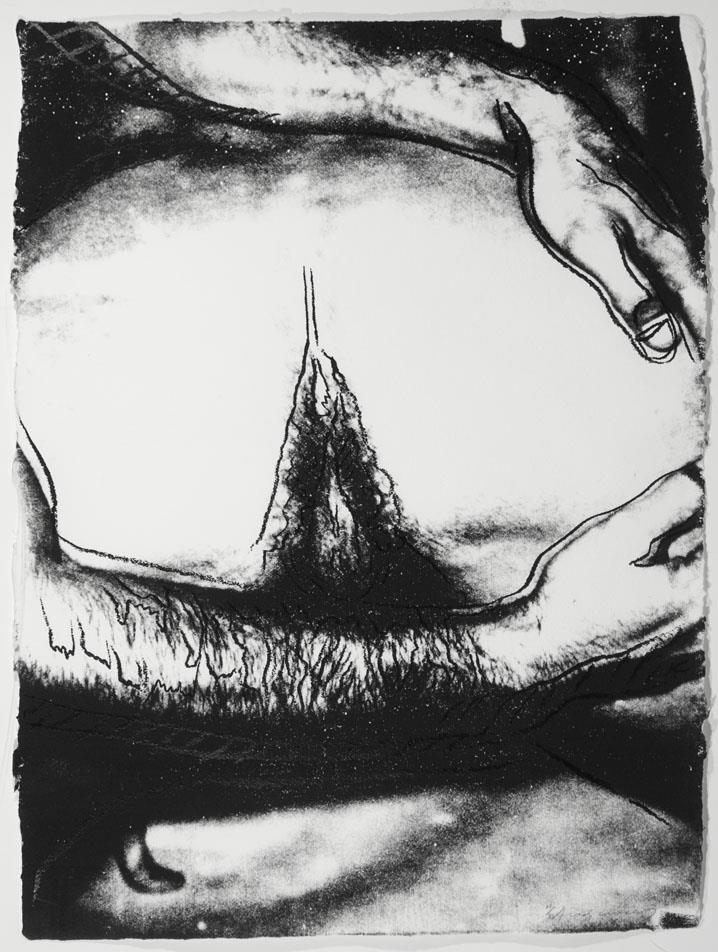
Today, Leslie-Lohman's collection features works by many profoundly influential artists in this genre, including that of illustrator Tom of Finland, “beefcake” photographers Bruce of LA and Bob Mizer, and modern photographers Wilhelm von Gloeden and George Platt Lynes. Gay erotic art that was ignored, undervalued, or off the radar of institutions and collections—even when it was by canonical artists—found a home in the Leslie-Lohman collection, including Andy Warhol’s Sex Parts (1978) and the tender drawings of Harlem Renaissance artist Avel de Knight.
In the early 1980s, the onset of the AIDS epidemic fundamentally altered the scope of our institution. For a period, the foundation directed its resources away from public exhibitions and toward support for those most affected by the crisis. This included working to salvage and preserve the legacies of artists who lost their lives to AIDS. Our collection today teems with responses to AIDS by now-canonical figures including David Wojnarowicz, Peter Hujar, and Donald Moffett, as well as by lesser-known figures whose work was critical to artistic discourses of the ’80s and ’90s, such as Ridgeway/Bennett, who made fluid-soaked text works together.
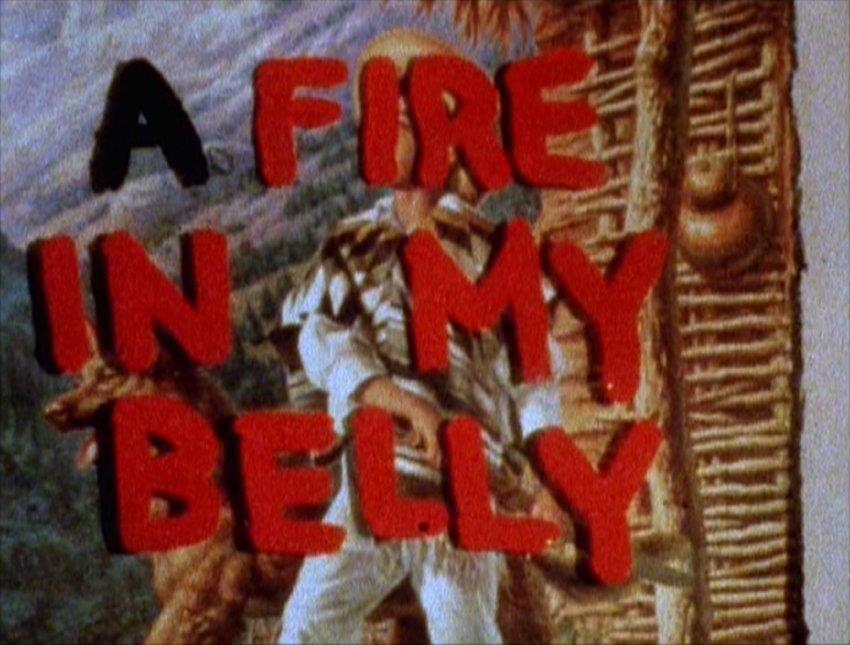
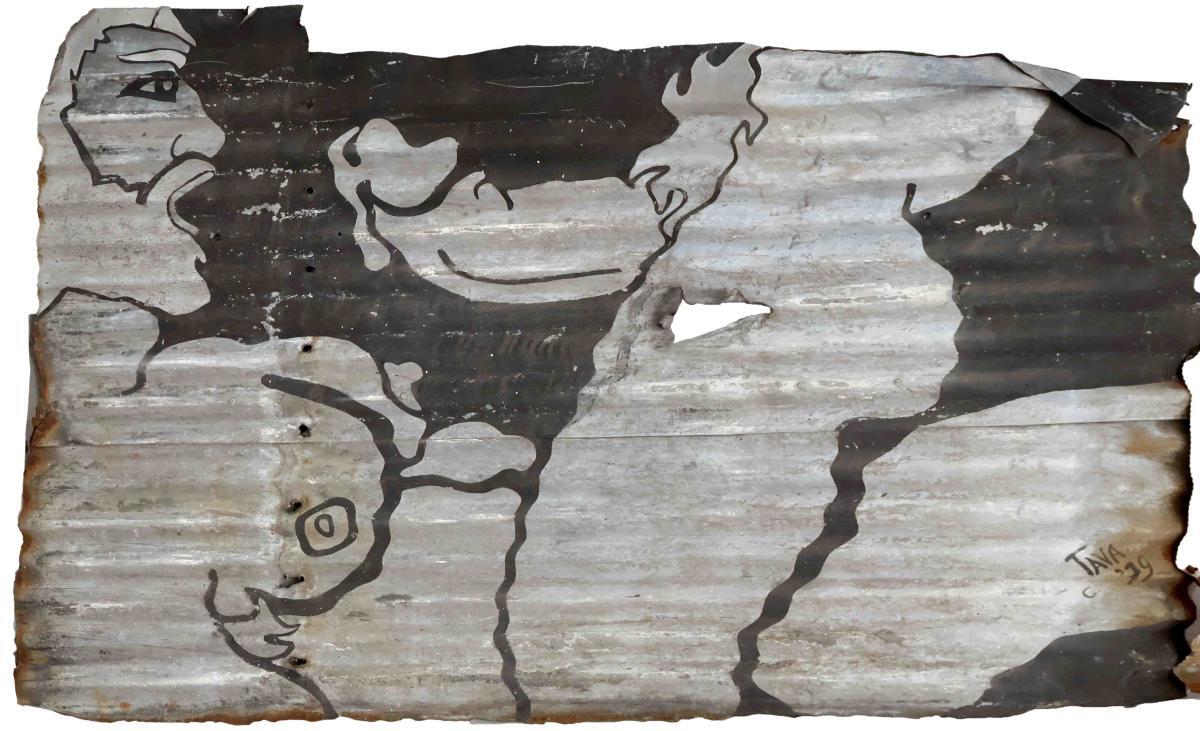
These decades saw the municipal closure of spaces for gay public life, and our collection documents them, for example, in Patrick Angus’s paintings of cruising theaters; Tava’s mural fragments, salvaged from former cruising piers on the Hudson River; and photographs of the gay club Mineshaft by George Dudley, who served as the foundation’s first director. We continue to acquire historical works made at the height of the crisis within activist spaces, among them the late 80s and early 90s portraits within Lola Flash’s Cross Colour Series (1970s–90s) as well as works by artists who are documenting its generational impact into the present, as in Kia LeBeija’s photographs that combat the erasure of both Black women and mother-to-child transmission within AIDS narratives.
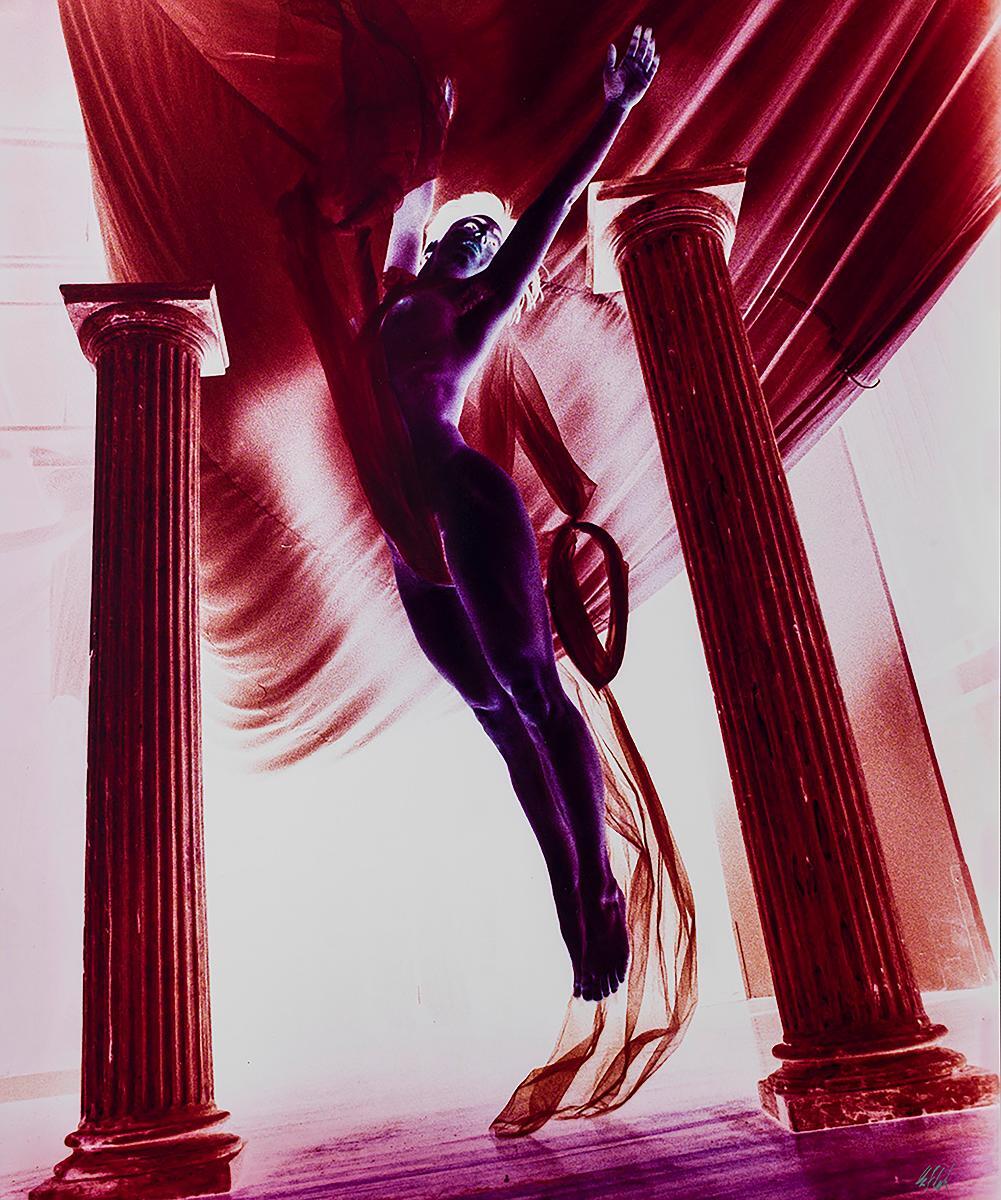
Photography has long served as an accessible and democratic medium for queer and trans people to document ourselves and our communities, relationships, and activism; it is also a capacious medium for experimental and conceptual projects. Accordingly, photographic works comprise a large portion of Leslie-Lohman's holdings and are a major focus of our acquisitions. The collection features works by pioneering queer women such as JEB (Joan E. Biren), Donna Gottschalk, and Catherine Opie; gay male photographers including Robert Mapplethorpe, Arthur Tress, and Rink Foto; and younger generations of artists working in this medium, among them Coyote Park and Lindsay Perryman.
We have also partnered with foundations to house and conserve important bodies of photographic work. Following our 2023 survey exhibition on pathmaking artist and critic Christian Walker, Leslie-Lohman restored and acquired a major portion of his work with support from the Kohler Foundation. The collection includes significant estate holdings of artists such as Amos Badertscher, Neel Bate (Blade), John Lesnick, and George Dudley, preserving substantial bodies of artwork and archival materials.
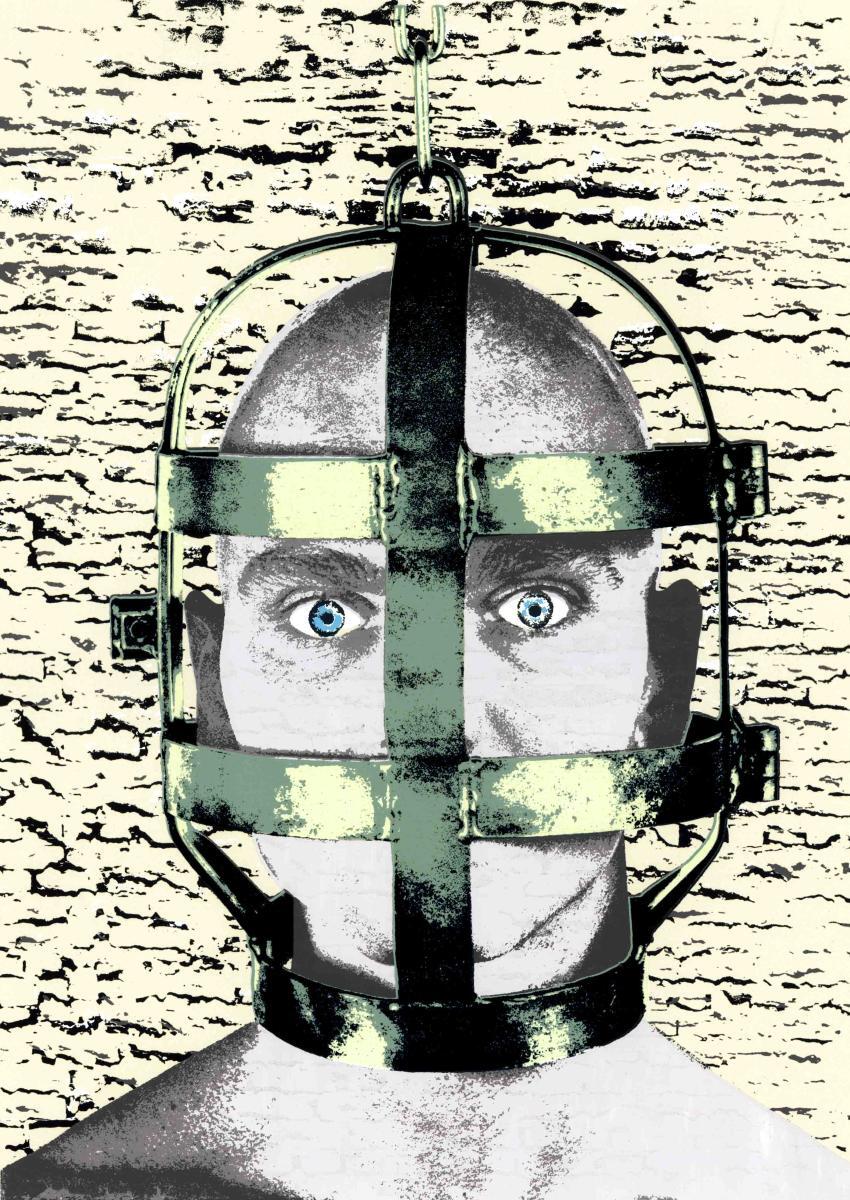
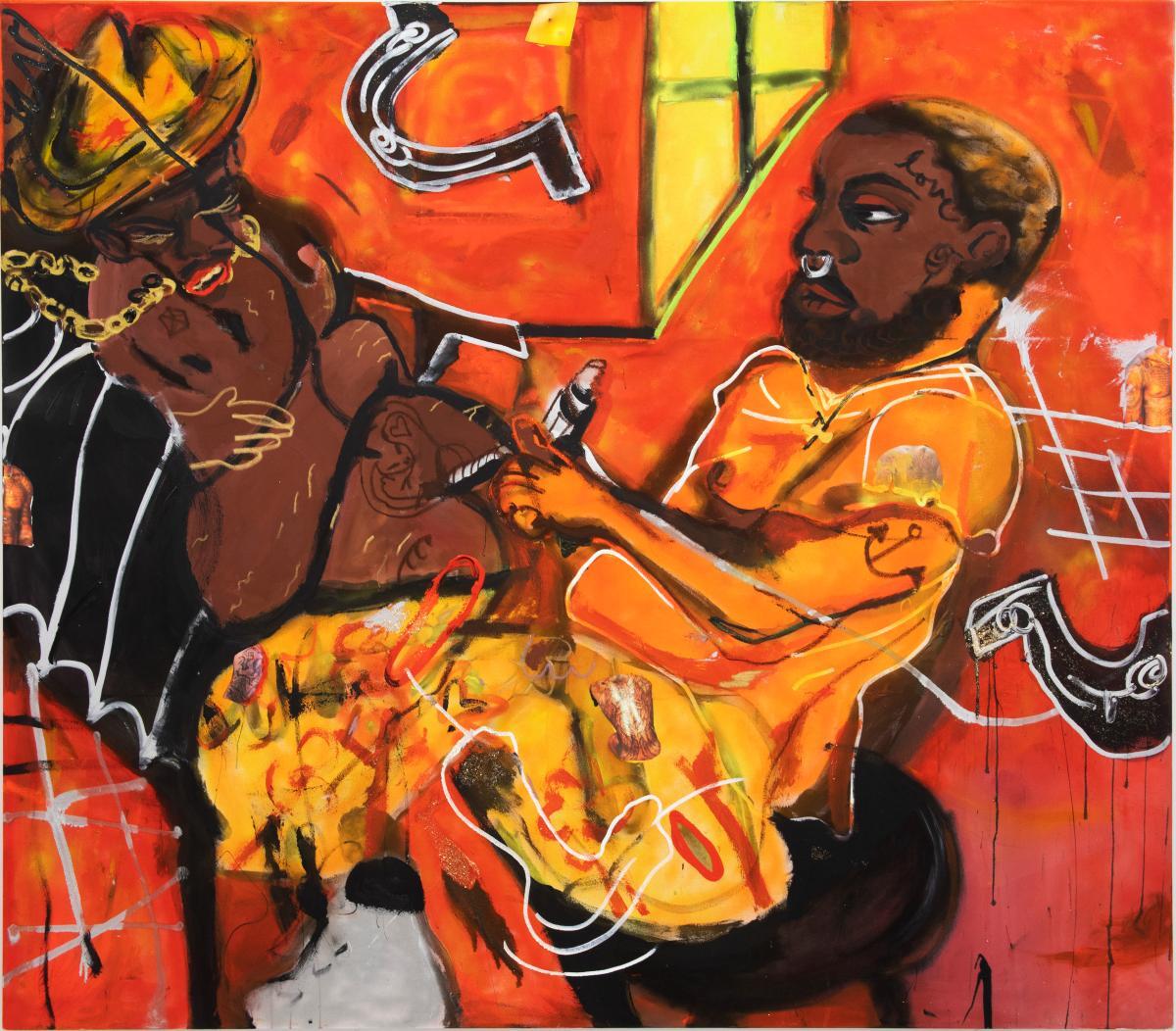
Our acquisitions focus includes important historical work, but prioritizes living and working queer, trans and gender non-conforming, and BIPOC artists. Recent acquisitions include works by Jonathan Lyndon Chase, Nash Glynn, Jeffrey Gibson, Hortensia Mi Kafchin, Pamela Sneed, Carlos Motta, Tommy Kha, Linus Borgo, Studio Lenca, and Young Joon Kwak. Works across all media come to us through purchases, donor-funded acquisitions, and donations by artists and collectors.
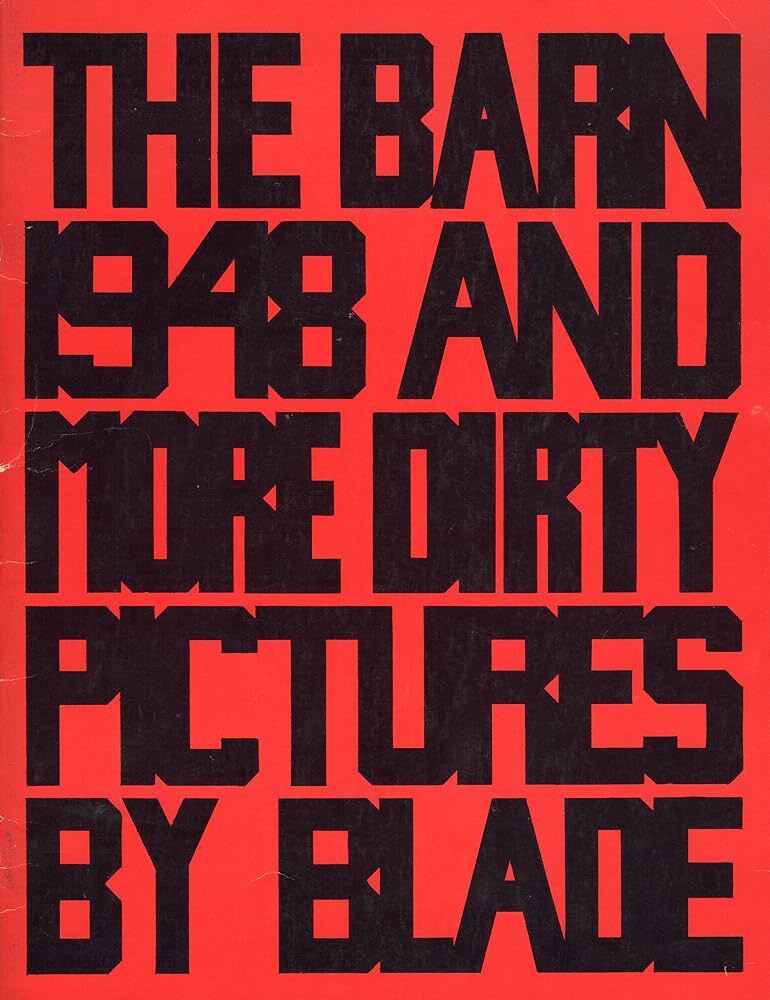
Leslie-Lohman Museum of Art is also home to a library with more than 4,600 volumes about and by queer and trans artists, and maintains files on more than 2,000 individual artists. Greer Lankton's 1981 artists books My Face and Medical Magic are among the highlights of Leslie-Lohman's library holdings, along with titles published by Leslie-Lohman including The Barn 1948 and Other Dirty Pictures, a landmark 1980 publication by artist Neel Bate. The library is currently accessible by appointment only.
Behind every artwork in Leslie-Lohman Museum of Art’s collection is an ongoing commitment to its care and preservation. Donations to the Museum’s general operating fund support the conservation, stewardship, and long-term care of more than 30,000 artworks. Individual philanthropy is essential to protecting this collection and sustaining the Museum’s mission for generations to come.